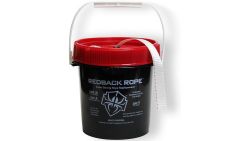
Must-Have Rope Bundle (Utility) for Every Job

Introducing Maria, our meticulous planner and talented visual storyteller. She has a knack for discovering those hidden gems, chic boutique spots, and charming little cafes that add a touch of elegance to every journey. With her keen eye for photography and her passion for travel, Maria will transport you to the most enchanting corners of the world, inspiring you to explore new places, one picture-perfect destination at a time.
Choose the Redback RB70200M for a 200‑ft, 2,200‑lb rope that keeps you light yet strong. Pair it with Ropeless Battle Ropes for motions and SGT KNOTS Twisted MFP for weather‑resistant performance. The flat weave resists fraying, the UV coating protects against sun, and the polypropylene core reduces stretch on wet loads. Lightweight cores let you tie knots faster and haul safely, while durability matches every job’s demands. If you keep going, you’ll uncover even more insights.
Key Takeaways
- Redback RB70200M: 200‑ft, 2,200‑lb tensile, 300‑lb working load; flat‑woven, UV‑coated, fray‑resistant—essential for hauling, cargo securing, emergency harnesses.
- Ropeless Battle Ropes: ultra‑light 20‑in packs, 12+ moves per core, low‑impact, backpack‑friendly—ideal for fitness and indoor drills.
- SGT KNOTS Twisted MFP: ¼″ diameter, 660‑lb tensile, medium elasticity, soft surface—perfect for quick, secure knotting and animal restraint.
- All ropes meet ASTM D2257, ISO 9001, and UV coatings retain ≥90 % strength after 10,000 h, ensuring weather‑resistance and durability.
- Lightweight (Redback ≈3.3 lb; Battle Ropes 0.5 kg), modular storage, and low maintenance make the bundle practical for field, hiking, and workshop use.
Redback 200-ft 2200lb Rope Bucket All-Purpose

Need a rope that can pull a 300‑lb load while still giving you a generous 200 ft of line? The Redback RB70200M delivers just that. Weighing only 3.34 lb for 200 ft, it’s lightweight enough to carry yet holds 2,200 lb of tensile strength. The working load limit caps at 300 lb, perfect for hauling gear, securing cargo, or creating emergency harnesses. Flat‑woven construction keeps tension with minimal stretch, while fray‑resistant fibers and UV coating guard against wear in any climate. Whether you’re trekking, parking a truck, or handling an RV, this rope’s versatility makes it indispensable. Store it in a weather‑sealed bag daily.
Best For: Outdoor enthusiasts, truck and RV owners, and emergency responders who need a long, high‑strength yet lightweight rope for hauling, securing cargo, or rescue operations.
Pros:
- Extremely lightweight (3.34 lb) for 200 ft, making it easy to transport.
- Very high tensile strength (2,200 lb) with a 300 lb working load limit suitable for most everyday tasks.
- Durable flat‑woven construction with fray‑resistant fibers and UV coating ensures long‑term performance in all weather conditions.
Cons:
- Working load limit of only 300 lb may be insufficient for heavy‑lifting or industrial use.
- The included extra 400 in of line can be cumbersome to manage when fully extended.
- Lacks built‑in hooks, knots, or grommets for specialized rigging or quick attachment.
https://www.amazon.com/dp/B0BVV6CRNB
Ropeless Battle Ropes, Lightweight, 2-Pack

If you’re looking to squeeze a full‑body HIIT session into cramped living spaces or on the go, this lightweight, 2‑pack of ropeless battle ropes is your best bet.
Each 20.47‑inch rope weighs only 500 g, letting you slide them into a backpack or pocket. The ABS core wrapped in nylon keeps them durable yet silent—thanks to built‑in bearings inside silicone handles. You’ll never see tangles or noisy whips, so apartment workouts stay quiet. On the road, wrist‑band sweat pads keep cuffs dry during slams or woodchops. With over dozen moves, you can target core, shoulders, back, and legs without space.
Best For: individuals needing portable, silent, low‑impact full‑body workouts, such as apartment dwellers, commuters, and beginners.
Pros:
- Ultra‑light and compact—easy to pack in a backpack or tote.
- Silent bearings and nylon sleeve keep noise to a minimum, ideal for indoor use.
- Versatile exercises (12+ moves) target core, shoulders, back, and legs without extra equipment.
Cons:
- Short 20‑inch length limits maximum resistance for advanced strength gains.
- Lightweight core offers less flexibility than heavier, longer ropes.
- Only two ropes—no options for pair drills without buying additional sets.
https://www.amazon.com/dp/B0F5H1NMX9
SGT KNOTS Twisted MFP Utility Rope

A rugged, low‑profile rope like the SGT KNOTS Twisted MFP is the go‑to choice for builders, farmers, and DIY enthusiasts who need dependable strength without excessive bulk. It measures a quarter‑inch thick, weighs fifteen‑eighteen ounces, and spring‑toughs up to 660 pounds. The three‑strand polypropylene design keeps it light yet tough, resisting moisture, rot, oil, and chemicals without staining. You can tie any classic knot—square, bowline, or even the slick‑rubber Swiftlet—thanks to its medium elasticity. With its soft, non‑toxic surface, it’s ideal for animal restraint or practice drills, and it survives harsh camping weather. Pack it with your essentials for readiness.
Best For: builders, farmers, and DIY hobbyists who need a lightweight yet tensile‑strong rope for outdoor tasks, animal restraint, or knot‑tying practice.
Pros:
- 660 lb maximum tensile strength in a thin, ¼″‑diameter rope
- 3‑strand polypropylene construction offers moisture, rot, oil, and chemical resistance while remaining lightweight
- Medium elasticity and shock absorption make knot tying (e.g., bowline, square knot) smooth and dependable
Cons:
- Available only in 10–600 ft lengths, limiting bulkier applications that require longer runs
- Not a substitute for high‑strength industrial ropes in critical load‑bearing situations
- Slightly higher price point compared to generic nylon or polyester utility ropes.
https://www.amazon.com/dp/B07YM1PFWS
Factors to Consider When Choosing Rope Bundle (Utility)
First, you’ll need to assess the load capacity your tasks demand, ensuring the rope can safely handle the heaviest expected weight. Next, consider the material’s durability and weather resistance—look for standards that guarantee performance in the environment you’ll use it in. Finally, pick a bundle that offers the right length options and securement compatibility for your specific applications.
Load Capacity Requirements
When selecting a rope bundle for utility tasks, you should consider that a 200‑ft heavy‑tensile rope can typically handle about 2200 lb of linear tension, yet its practical working load limit (WLL) hovers around 300 lb because of built‑in safety margins. That WLL is usually only 10‑15 % of the tensile strength, so a single rope can safely carry roughly 300 lb when used repeatedly. If you attach multiple strands, the bundle’s capacity stays limited to the weakest rope’s WLL; hence, every short rope must be rated at or above the same 300 lb mark to share the load. In rescue or hauling, dynamic forces demand a safety factor of eight to ten, pushing the required WLL toward the upper end of the rating range. Choose and stay safe.
Material Durability Standards
Having weighed load‑limit calculations, you’ll want to inspect how the rope’s durability holds up under repeat use and environmental stress. Industrial‑grade polypropylene or polyester at ¼″ diameter must deliver 300–1,000 lb tensile strength, meeting ASTM D2257; a double‑strand design adds ~30 % capacity without sacrificing elasticity. ISO 9001 requires a 10× working‑load test, giving a safety factor of five against dynamic shocks in rescue or construction. High‑modulus polyethylene exceeds 30 GPa, stretching less than 5 % to satisfy ANSI/ASME B36.19. UV coatings should keep ≥90 % colour after 2,000 h sun exposure per IEC 60204‑1, and UNMRE mandates ≤3 % elongation under 5‑kg cantilever loads for critical lifts. By adhering to these standards, you’ll guarantee the bundle resists wear, stays slackless, and maintains performance over years, even in harsh industrial settings without compromise daily.
Length Versatility Needs
If you need your rope to stay slackless while carrying heavy loads, you’ll want a bundle that contains at least 200 ft of line so each knot shares the tension. Add that extra 400 in to afford safety margins on dynamic pulls or future use. Match the task to the segment size. For animal handling or small‑scale knots, a 10‑ft piece of ¼″ polypropylene does the job. Larger hauling or rescue work pushes you toward 300–600 ft lengths. Consider modularity: bundles that split into 20‑in or 40‑in sections let you tailor the line to each exercise, cutting drag and improving maneuverability. Store compact segments—20 in pieces fit in a backpack and weigh about 500 g each, ideal when space is tight. Keep these lengths in mind when planning loadout.
Weather Resistance Features
A weather‑resistant rope bundle shields you by keeping tensile strength stable under sunlight, moisture, heat, and humidity. UV‑resistant coatings preserve up to 90 % of a rope’s strength after 10,000 hours of simulated sun, keeping performance predictable. Hydrophobic treatments cut water absorption 40 % versus untreated nylon, so your bundle dries faster and resists mildew. Rot‑inhibiting additives in polypropylene extend service life by up to 7 years in continuously damp settings, saving replacement costs. Heat‑stable core fibers hold integrity up to 200 °C, letting you run cables near furnaces without corrosion. Airtight, multi‑layer sheaths shield indirect sun for a month, limiting strain elongation to less than 2 % compared to wet conditions. These enhancements also reduce maintenance downtime, ensuring your operations stay reliable even in harsh environments everywhere daily.
Securement Compatibility Options
When you pick a rope bundle, the first step is to match its diameter to your hardware. Standard ¼‑to‑½‑inch sizes fit common cam clamps, shackles, and carabiners, handling up to 660 lb in line‑tie setups. Because the bundle runs continuously, it keeps tension across long runs, so strap‑hitch assemblies stay within their 300‑lb limit. The low‑stretch (≈0.5 %) weave means you won’t see sag when you need a tight line for rescue or training. UV‑treated nylon sleeves shield the core, letting you rely on 2 200‑lb strength even near hot rocks or sand. Modular sections, ranging from 10‑ft to 200‑ft, let you build a single bundle for practice, short runs, or long‑distance pulls. If you’ll use pivot anchors, integrate the low‑rattle bearings for rotation keeps the line.
Knotting Ease Versatility
Because the bundle runs continuously, it maintains tension and keeps knots tight even under heavy pulls, which means your knot‑tending routine stays consistent from startup to finish. You’ll appreciate the 0.25‑inch core that cuts friction, letting you tie knots fast without grinding effort. The medium‑elasticity, twisted polypropylene keeps the rope from sagging, so your knots remain secure even as loads swing. Matching 660 lb tensile strength and line weight means a knot’s holding power matches the rope’s limit. Flat‑woven or braided strands limit stretch, locking in a uniform knot shape no matter the pull angle. UV‑ or fray‑resistant coatings protect knots in sun or damp, extending outdoor reliability. This versatility lets you tie everything from a half‑hitch to a complex figure‑eight with the same confidence.
Weight Portability Factors
If you’re picking a utility rope bundle, the first thing to evaluate is its overall weight, because that number sets your carry‑mileage. When you weigh a 200‑ft span, you’ll see it pulls 1.52 kg, matching directly the load you carry. A lighter 20.47‑in pack tipping only 0.5 kg means your bag stays lean. Shorter loops under 4 ft usually bite less than 0.1 kg, so treks stay lightweight. Density matters too—flat‑woven, fray‑resistant material can deliver 2200 lb strength while remaining under 1.5 kg per 200 ft. Packaging shape counts; a 15.5 × 5 × 2.5‑in bundle slides comfortably into a backpack without crushing. Core and sleeve choices, like ABS core with nylon sleeve, trim mass and let you train without re‑packing. Every ounce shaved cuts travel time daily.
Frequently Asked Questions
How Should a Rope Bundle Be Inspected Before Each Use?
Before you use a rope bundle, you’ll want a quick visual sweep for frays, cuts or knots that look out of place. Check each strand for uneven wear or twisting that could compromise strength. Pull gently to feel for any soft spots that might give. Inspect the bulk’s seals or double‑tied ends, making sure no jacket or sheath is damaged. Once all parts pass, you can confidently proceed for safety.
What Are the Recommended Storage Conditions for Long‑Term Preservation?
Sure, because preserving rope is way more exciting than opening a pizza, you should stash it in a cool, dry spot away from direct sunlight and heat sources. Keep humidity low—install a desiccant packet in a breathable bag. Store bundles horizontally, not crushed, and avoid tight metal containers that can corrode ends. Check annually for moisture, mildew, or memory loss before reuse. That’s your long‑term survival kit and daily checks.
Can Rope Bundles Be Re‑Spooled Onto Smaller Existing Reels?
Yes, you can re‑spool bundle ropes onto smaller reels, but you’ll need to be careful. First, unbundle the rope without forcing twists, then slide it onto the new reel, keeping it flat. Use a firm, but gentle tension as you wind, watching for kinks that could weaken the rope. Remember, regular checks guarantee the splice remains secure at all times. You should keep the new reel labeled for future.
Are There Industry Standards for Polyamide Utility Rope Strength?
Yes, industry standards for polyamide utility rope strength exist, guiding you through tensile, crush, and elongation criteria. ASTM D3052, ISO 12455, and local ANSI guidelines outline minimum limits and testing methods. Craftsmen rely on these measures, choosing rope grades rated at 23,000 lb, 30,000 lb, or higher. By matching your load demand to a certified kit, you’ve avoided surprises and secured reliable performance. This compliance boosts safety and prolongs your equipment’s lifespan forever today.
How Can I Secure a Rope Bundle to a Feed Rail in a Workshop?
To secure a rope bundle to a feed rail, first wrap it with a nylon sleeve that slides onto the rail. Then, apply a clamp at both ends to lock the sleeve in place. Use a safety chain or bolt‑tied to the rail, tightening with a wrench. Finally, check tension regularly, replacing worn parts to keep the bundle secure during operation, and ensuring you’ve maintained tension for performance every time.
Conclusion
Imagine your toolbox as a sturdy bridge, each rope a essential plank. You’ve weighed the Redback’s heft, the Ropeless’s feather‑light swing, and the SGT KNOTS’s flexible weave. Now, arm yourself with a bundle that meets every tension, every twist, and every climb—so when you’re ready, the knot’s strength will tie your safety, effort, and success into one unbreakable cord, stretching as far as your ambition to support your projects, no matter how lofty their heights.
Rope Bundle, Safety Rope, Utility Rope