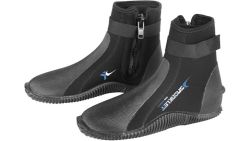
The Best Neoprene Booties for Water Sports Enthusiasts

Introducing Maria, our meticulous planner and talented visual storyteller. She has a knack for discovering those hidden gems, chic boutique spots, and charming little cafes that add a touch of elegance to every journey. With her keen eye for photography and her passion for travel, Maria will transport you to the most enchanting corners of the world, inspiring you to explore new places, one picture-perfect destination at a time.
Looking for the pair of neoprene booties? Choose a model that balances 3‑mm insulation, a full‑water‑tight seal, and an anti‑slip sole. XUKER’s 3‑mm water socks provide a sand‑proof, seamless finish, while Cressi’s 3‑mm boots boast a sealed heel ridge for rock protection. BPS offers 2‑mm options that stay light yet secure with dual‑Velcro straps. All have flat‑lock seams and a rubber‑printed sole for traction. If you’re curious about sizing or care, there’s more to uncover.
Key Takeaways
- Choose neoprene thickness (3 mm default; 5 mm for warmer conditions; 2 mm for light use) based on temperature.
- Look for flat‑lock or glued blind‑stitched seams to prevent fraying and stay dry longer.
- Ensure anti‑slip soles (rubber‑printed or ridged) and secure closures (Velcro, snap‑on) for traction and fit.
- Prioritize lightweight models (≤0.1‑0.3 kg) if you need freedom, heavier 0.6‑1.1 kg if extra protection is required.
- Opt for brands offering at least 180‑day warranty or longer and machine‑washable fabrics for convenience.
Neoprene Diving Boots with Anti‑Slip Sole

If you’re a water‑sport enthusiast who loves rock pools, these 3‑mm neoprene booties are your secret weapon. Your feet stay dry thanks to blind‑stitching that blocks water from seeping in, while the anti‑slip sole gives you edge on jagged shorelines. The ultra‑stretch neoprene molds to your toes, loosening after a few wears so you can move freely in any dive suit. Its rubber heel fits standard fins, letting you snorkel, kayak, or dive without any adaptation worries. Packed into a 1.1‑lb package, these booties run in size 6 W / 5 M and come with a 180‑day warranty. Try them today. Now.
Best For: water‑sport enthusiasts who need ultra‑light, water‑tight protection that also works seamlessly with fins on rocky shorelines.
Pros:
- Superior water‑tightness from blind‑stitching keeps feet dry even in rocky pools
- Anti‑slip sole delivers reliable traction on jagged surfaces
- Ultra‑stretch neoprene gives a snug fit that relaxes after a few uses
Cons:
- Very thin tread may not withstand rougher terrain or prolonged wear
- Limited color choice (only black) reduces style variety
- Compact size (size 6 W / 5 M) may not fit larger foot sizes without alteration
https://www.amazon.com/dp/B0DRNB59ZG
XUKER 3mm Neoprene Water Socks, Sand-Proof

The XUKER 3 mm neoprene water socks, sand‑proof model, are the go‑to choice for anyone who wants instant warmth and abrasion resistance while staying light and flexible. You’ll appreciate the 90 % neoprene, 10 % nylon blend that keeps your feet snug and warm, even in cooler waters. Flat, smooth seams let you walk barefoot on sand without water invasion, while the abrasion‑coated bottom fights scrapes and rough surfaces. The ergonomic shape prevents wrinkles and feels from step to step, and you slide them on backwards; no pull needed. They’re perfect for swimming, snorkeling, surfing, beach volleyball, and yoga on the shore.
Best For: athletes and beachgoers who need quick foot warmth, abrasion resistance, and breathable protection during water sports and sand activities.
Pros:
- 3 mm neoprene provides instant warmth and insulation for cooler water.
- Flat, smooth seams allow barefoot walking on sand without water invasion.
- Abrasion‑coated bottoms protect against scrapes on rough surfaces.
Cons:
- Not fully waterproof; relies on seam sealing which might allow seepage in heavy spray.
- Requires hand‑wash only; not machine‑washable for convenience.
- Limited availability of sizes may not fit all foot shapes.
https://www.amazon.com/dp/B08BHQ6SF6
Neoprene Socks, Water Socks 3 mm Diving Socks,Outdoor Water Sports

Want foot warmth and slip‑resistance when you hit the beach or plunge into chill water? The Yakevo 3 mm high‑cut neoprene socks keep your toes cozy, even in colder waves. Made from 100 % neoprene, they stretch with every step, while flat‑lock seams stay glued to prevent fraying. Heel and toe caps add durability for scrapes on rocky decks or hot sand. The non‑slip sole flexes freely, so you can kick, paddle, or dance on the shoreline without slipping. Perfect for snorkeling, beach volleyball, diving, and winter beach fun, these X‑small black socks protect against blisters, sunburn, and sudden temperature drops.
Best For: enthusiasts who need warm, non‑slip protection for sweaty, cold‑water activities like snorkeling, beach volleyball, and winter surfing.
Pros:
- 100 % neoprene material provides excellent thermal insulation in chilly waters
- Flat‑lock, glued seams and heel/toe caps maximize durability and prevent fraying
- Flexible non‑slip sole allows unrestricted foot movement for paddle, kick, or dance
Cons:
- Only available in X‑small, limiting options for larger feet
- Lightweight design may feel fragile for very heavy or rough use
- Slightly thicker 3 mm may feel tight for those with wide feet or broader arches
https://www.amazon.com/dp/B0FDQHCK11
Neoprene Socks, Water Socks 3 mm Diving Socks,Outdoor Water Sports

Ideal for anyone braving cold water, these 3‑mm neoprene booties keep your feet warm and dry without sacrificing flexibility.
Choose Yakevo’s black X‑small high‑cut design, a unisex fit that fits snugly around the foot. The 3‑mm neoprene hugs your toes and heels, while flat‑locked seams reduce water loss and strengthen seams under necks. Heel and toe caps add extra protection, and the tougher non‑slip sole keeps you grounded on wet sand or pool tiles. Weighing only 0.08 kg, these sock‑booties stay lightweight yet resilient, ideal for snorkeling, diving, beach volleyball, winter swims, or water aerobics and keep you safe, always.
Best For: athletes and swimmers who need lightweight, insulated socks for cold‑water activities like snorkeling, diving, or winter swims.
Pros:
- 3 mm neoprene provides excellent warmth while remaining flexible.
- Flat‑locked seams minimize water flow and add durability.
- Tough non‑slip sole offers firm footing on wet sand or tiles.
Cons:
- Only an X‑small size is available, limiting fit for larger feet.
- Single black color offers limited style options.
- Neoprene’s tight fit may cause excess moisture retention during extended use.
https://www.amazon.com/dp/B0FDQ39FX9
Neoprene 3mm Water Socks for Men & Women

Because the 3 mm neoprene core delivers snug, quick‑dry warmth, these water socks are a go‑to for surfers, kayakers, and snorkelers who battle cooler water.
They’re made of 90% neoprene, 10% nylon, giving you a 3 mm thick, ultra‑stretchy, high‑elastic fit that grips.
The glued, blind‑stitched seams snap tight, keeping moisture out while staying lightweight and quick‑dry.
With anti‑skid rubber ridges on the sole, they shield your toes from rocks, shells, and jellyfish.
The warm lining retains heat, packing light enough to slip into any bag without bulk, is machine‑washable, and easy slip‑on.
Compress them for quick storage on any trip.
Best For: Surfers, kayakers, and snorkelers who need quick‑dry warmth and protection in cooler water.
Pros:
- 3 mm neoprene core delivers snug, quick‑dry warmth for cool water.
- Ultra‑stretchy, high‑elastic material with reinforced grip and anti‑skid rubber ridges.
- Lightweight, machine‑washable, and easy slip‑on for convenient storage.
Cons:
- Not fully waterproof; can absorb some water over extended exposure.
- May lose shape after many compressions or washes.
- Not ideal for extremely cold water where additional insulation is needed.
https://www.amazon.com/dp/B0D2LGKL57
XUKER 3mm Neoprene Diving Boots Anti‑Slip

Looking for sturdy, heat‑retaining footwear that won’t let you slip on the deck or reef, the XUKER 3‑mm Neoprene Diving Boots hit the mark for snorkelers, casual divers, and even surfers tackling a board. Made from neoprene and nylon layers, they sport a 3‑mm wall that smooths your foot while keeping water trapped for insulation. That trapped layer locks in body heat, so your feet stay warm during long swims. The sturdy barrier guards against sharp reefs, rocks, and undersea hazards. While not fully waterproof, it behaves like most neoprene and lets you splash without serious ingress. Great for snorkeling, surfing, sailing, kayaking—anything that keeps you moving in or on the water. Pass the threshold into the reef, you’ll notice the snap‑on closure gives a snug fit that holds when the tide shifts.
Best For: recreational snorkelers, casual divers, and surf‑board riders seeking lightweight, slip‑resistant, heat‑retaining footwear for deck and reef use.
Pros:
- 3 mm neoprene keeps feet warm by trapping an insulating water layer while remaining light.
- Anti‑slip rubber sole provides reliable grip on slick decks, rocks, and reef edges.
- Pull‑on closure offers quick, snug fit without the bulk of lanyard or gutter‑style boots.
Cons:
- Not fully waterproof; water may seep in during extended submersion.
- 3 mm thickness offers limited protection in very cold water or deeper dives.
- Lacks arch support, which may be uncomfortable for users needing extra foot stability or custom sizing.
https://www.amazon.com/dp/B0DB1Q4JHJ
BPS Neoprene Dive Boots Anti-Slip Rubber Sole

Think of the anti‑slip rubber sole as the anchor that keeps you steady on slick reef walls, making BPS dive boots the perfect choice for active divers who demand reliable grip in every twist and turn of a deep‑sea dive. You’ll appreciate the 3 mm‑to‑7 mm neoprene options that fit 6 sizes, with adjustable Velcro straps that seal water and lock your feet snugly. The heel ridge stops fins from sliding, while the vulcanised rubber sole delivers hard‑wearing grip on slick surfaces. Warm neoprene keeps feet protected, and the 12‑hour support guarantees peace of mind. They’re 0.6 kg, so you move freely.
Best For: active divers, snorkelers, and underwater photographers who need a secure, adjustable fit and reliable grip on wet, slick surfaces.
Pros:
- Dual Velcro straps keep water out and lock the boot snugly for a leak‑free fit.
- Rugged vulcanised rubber sole delivers long‑lasting grip on slick reef walls and the ocean floor.
- 3 mm–7 mm neoprene options provide warmth and comfort across six sizes.
Cons:
- The boots are heavier than basic rubber flip‑flops, which may be a drawback for ultra‑light gear setups.
- Only available in black, limiting color choices for matching gear.
- Slightly pricier than simple rubber footwear, which may not be necessary for casual shore use.
https://www.amazon.com/dp/B075SW3ZBQ
Mares Equator 2mm Neoprene Ankle-High Boots

If you’re a warm‑water scuba diver or snorkeler who needs a quick, foot‑warm solution that won’t add bulk, the Mares Equator 2 mm neoprene ankle‑high booties are the ideal choice. They slice through warm seas like a light glove, thanks to a single‑layer 2 mm neoprene shell that keeps your toes toasty without trapping heat. Its dual‑sided particles give a snug, water‑tight fit while letting your feet breathe. The lightweight (just 0.32 kg) low‑cut design drops fatigue, making it perfect for long hikes or deck work. Pack it easily—its 11×7×3 in footprint fits your pouch, and its sole guards against slips on wet rock.
Best For: Warm‑water scuba divers, snorkelers, and swimming enthusiasts who need lightweight, thermal‑protective footwear that packs small.
Pros:
- Ultra‑lightweight (0.32 kg) design reduces fatigue on long dives or deck work.
- 2 mm neoprene provides efficient insulation in warm seas without trapping heat.
- Durable non‑slip rubber sole offers reliable traction on wet rock, deck, and tide.
Cons:
- Limited thermal protection in cooler water temperatures.
- Small size range may not accommodate larger foot sizes comfortably.
- Single‑layer construction may not withstand harsh abrasion on rough surfaces.
https://www.amazon.com/dp/B07NQ2GVJ4
Cressi Anti‑Slip Neoprene Adult Water Sports Boots

Designed for high‑intensity water activities, the Cressi Anti‑Slip Neoprene Booties give you a secure grip on slick rocks, waves, and boat decks.
Crafted in 100 % neoprene, they’re lightweight—just 1.1 lb—yet durable enough for scuba, snorkeling, walking, or windsurfing. The 3 mm thick shell keeps feet warm, while the nylon shell protects against abrasion. Each boot’s rubber sole delivers traction grip, and a reinforced heel and toe cap resist wear from rocky surfaces. The fit runs from US Men 6 to US Women 7, so you’re sure to find an option that stays put underwater. The 2‑year limited warranty backs quality with peace of mind.
Best For: divers, snorkelers, and water‑sports enthusiasts who need reliable traction and warmth in wet conditions.
Pros:
- Lightweight, weighing only 1.1 lb for easy handling.
- 100 % neoprene shell keeps feet warm while the rubber sole delivers superior grip.
- Durable construction with reinforced heel and toe caps resists wear on rocky surfaces.
Cons:
- Limited to US Men 6 through US Women 7; fewer size options for wider feet.
- Not ideal for extended walking or hiking—focus is on water‑based activities.
- Slightly higher price point compared to plain neoprene sandals.
https://www.amazon.com/dp/B00K2U5Y5E
XUKER Neoprene Water Shoes – Anti‑Slip Side Zipper

Because the side‑zipper lets you slip on in seconds, the XUKER Neoprene Water Shoes are perfect for anyone who spends a lot of time on wet sand or rugged surf. These boots come in 5 mm for shoes and 3 mm for socks, built from neoprene that stays firm in cold water. Flat‑lock stitching and smooth openings keep water out, while a bottom coating boosts abrasion resistance and life span. The anti‑slip sole offers rock‑solid grip on waves and dunes, and the ergonomic fit stops back‑wrinkles so you walk like barefoot. They’re washable daily and can handle even lake, ocean, or yoga sessions alike.
Best For: active beachgoers, swimmers, and yoga enthusiasts who need quick, non‑slip, insulated footwear.
Pros:
- Quick slip‑on with side‑zipper for instant wear.
- Anti‑slip rubber sole and abrasion‑resistant coating for safe footing on wet sand and uneven rocks.
- Warm, insulated neoprene and machine‑washable construction for comfort and durability.
Cons:
- Side‑zipper can jam or get clogged with sand and debris.
- Limited color and size range may not fit all feet.
- Some users report a slightly narrow toe box that can feel spartan on larger feet.
https://www.amazon.com/dp/B09V4G33NH
OMGear Neoprene Water Socks for Beach & Swim

Need a pair that cuts through sand and still feels like your toes are free? The OMGear Neoprene Water Socks deliver. Made from 3 mm soft neoprene and 4‑way stretchy nylon laminate, they stay snug yet flexible. A rubber‑printed sole resists abrasion, tears, and slips, perfect on sand, rocks, or wet surfaces. Flat‑lock stitching gives a clean look, while an adjustable ankle strap keeps sand, shells, and debris out. They resist cuts, punctures, scratches, and cold water. Low‑cut, bare‑foot feel makes them ideal for snorkeling, scuba, swimming, and beach volleyball. Plus, they double as cozy home slippers for your house.
Best For: beachgoers, swimmers, snorkelers, and anyone wanting a lightweight, protective yet barefoot‑feel sock that keeps sand and debris out.
Pros:
- 3 mm soft neoprene and 4‑way stretchy nylon provide snug fit with a barefoot feel.
- Abrasion‑ and tear‑resistant rubber‑printed sole keeps you safe on sand, rocks, and wet surfaces.
- Adjustable ankle strap and flat‑lock stitching make them versatile for both water activities and casual home use.
Cons:
- Available only in one size, limiting fit options for larger feet.
- No glue lining for winter weather; may be less durable in colder, wetter conditions.
- Stylistic design suits low‑cut beach activities, but may be too casual for formal or high‑impact sports.
https://www.amazon.com/dp/B07XSNY6GB
EVO 2mm Neoprene Low Cut Dive Boots

For warm, tropical dives, the EVO 2 mm Low‑Cut Dive Boots give you the right mix of protection and agility. Made from 2 mm nylon II neoprene, they shield your feet while letting heat flow. Rubber sole grips corals or reef stones, lowering slip risk. Blind‑stitched seams make the boots durable—ready for dives. The low‑cut style skips zippers entirely, letting you slip on or off in moments. Designed by scuba divers, the EVO Dive line earns a 4.7‑star rating from 81 reviewers and kept a bestseller in category. You’ll feel on sand flats and through deeper currents, making these booties companion.
Best For: Divers who hunt in warm, tropical waters and need light, quick‑donning boots with good traction and durability.
Pros:
- Lightweight 2 mm neoprene offers sufficient protection while allowing natural heat flow.
- Low‑cut, pull‑on design with no zippers lets you slip on or off in moments.
- Blind‑stitched seams and vulcanized rubber sole provide long‑lasting durability and solid grip on slippery reefs.
Cons:
- Designed for warm water; not suitable for cold‑water dives.
- The low‑cut profile offers minimal ankle support.
- The 2 mm thickness may be too thin for rugged, extreme terrain or heavy abrasion.
https://www.amazon.com/dp/B07DR45CXN
Cressi Adult Neoprene Diving Boots, Anti‑Slip 3mm

These lightweight 3‑mm Cressi neoprene boots stay light on your feet while delivering a grip that surfers, kayakers, and divers can rely on. Built from neoprene, they offer a super‑elastic sole that cradles your foot. The heel’s custom cut lets you strap open‑heel fins, while a boss keeps the strap secure. Full‑sole non‑slip molding keeps your footing in surf swells or shallow pools. Rinse, air‑dry, or toss in the washing machine with mild detergent. Designed by Cressi, these boots ship from China and come with a two‑year limited warranty for peace of mind. Feel confident in splash and dive.
Best For: athletes and hobbyists who need a lightweight, non‑slip boot for surfing, kayaking, scuba or other water sports.
Pros:
- Lightweight 3 mm neoprene keeps feet comfortable during prolonged use.
- Super‑elastic sole and custom‑cut heel provide a secure fit with open‑heel fins.
- Full‑sole non‑slip molding offers traction in waves and shallow water.
Cons:
- Shorter shoe length may not accommodate very tall feet or large footbed needs.
- Wet neoprene can absorb water, increasing weight when submerged for long periods.
- Imported construction may lead to higher price compared to domestic alternatives.
https://www.amazon.com/dp/B07FCSY9B2
Diving Socks, 3MM Neoprene Socks Surf Booties Dive Booties Dive Boots

You’ll appreciate the 3 mm neoprene core, which delivers instant warmth and shields against sharp coral, shells, and jellyfish stings—perfect for divers and surfers who need reliable foot protection without bulk. Ultra‑stretchy neoprene keeps you snug; reinforced rubber grip and blind‑stitched seams prevent slips and hold booties secure. A lightweight cuff lets you fold them easily; elastic fabric stays form‑faithful so you can slip them on before surf. Unisex sizing fits men and women; the design suits snorkeling, wakeboarding, kayaking, sailing, and beach volleyball. Hand wash only, dry flat, keeps them dry and shape‑retaining, yet not fully waterproof and versatile.
Best For: divers, surfers, snorkelers, and beach volleyball players who need lightweight, protective foot gear that stays warm without compromising mobility.
Pros:
- 3 mm neoprene core delivers instant warmth and shields against sharp coral, shells, and jellyfish stings.
- Durable, anti‑slip rubber sole and blind‑stitched seams keep booties securely in place during high‑impact surf and wakeboarding.
- Lightweight, elastic cuff folds into a compact pack‑size and allows quick slip‑on before hitting the water.
Cons:
- Not fully waterproof; it reduces but does not seal water entry.
- Hand wash only—machine washing, bleach, or dryer use can degrade the neoprene.
- Unisex sizing limits availability for very large or small feet.
https://www.amazon.com/dp/B09SWWMFT3
O’Neill Heat 3mm Split Toe Neoprene Boot

The O’Neill Heat 3mm Split‑Toe Boot features a split‑toe design that expands to cover the entire foot, making it the top choice for surfers, paddleboarders and snorkelers who need maximum grip and warmth in cold water. With a snug neoprene cuff that suggests sizing down for a perfect wrap, you’ll feel the torsion‑control tech stabilize every paddle stroke or wave set. The heel‑pull tab lets you slip on and off, while reinforced seams keep water out and extend life. Its 3 mm FluidFlex Firewall delivers instant warmth, and the lightweight, quick‑dry construction means you’re ready to dive again, hours later.
Best For: surfers, paddleboarders, and snorkelers who need maximum grip and instant warmth in cold ocean waters.
Pros:
- 3 mm FluidFlex Firewall neoprene keeps feet instantly warm in cold water.
- Light‑weight, quick‑dry construction means you’re ready to jump back in after each session.
- Split‑toe design expands to cover the entire foot for superior grip and balance on boards.
Cons:
- Requires sizing down for a snug fit, which may be inconvenient for those between sizes.
- Split‑toe may feel restrictive for larger or foot‑wide fitters.
- 3 mm offering is adequate for moderate cold waters but may fall short in extreme, near‑freezing conditions.
https://www.amazon.com/dp/B01DV4O4IA
Factors to Consider When Choosing Neoprene Booties (Water Sports)
When buying neoprene booties, you’ll first want to make sure they fit your feet snugly—measure accurately and try them on if you can. Next, evaluate the material and seam construction; high‑grade neoprene and reinforced stitching give durability and prevent leaks. Finally, look for reliable waterproofing and an anti‑slip sole to keep you safe and dry on every splash.
Fit and Size
Because neoprene booties must fit both length and width, start by matching your foot’s US men’s or women’s size (e.g., a 6 W or 5 M) and then check the width grading—“wide” versus “regular”—to avoid a tight fit. After you slide them on, pull the heel up; there should be minimal lift, and your forefoot should feel smooth with no wrinkling—this tells you you’re neither too loose nor too tight. Remember neoprene expands after a few wears, so a snug‑but‑not‑pinched start will settle into a supportive fit. Try a quick test by walking a few steps; any sudden drag or slippage indicates a mis‑sized bootie. Also, consider cut style: high‑cut gives ankle support for terrain, low‑cut lets you move freely—pick the cut that matches your sport.
Material Quality
If you’re looking for booties that stay warm and stay dry, start by examining the neoprene blend. Most reputable models use a 3‑mm layer of 90 % neoprene mixed with 10 % nylon. This mix gives you flexibility while adding abrasion‑resistance. If you need a tighter seal, look for a 100 % neoprene version; it insulates better but offers less stretch. Remember that the thickness matters—3 mm is standard, but you’ll find options from 2 to 7 mm. Greater thickness means more warmth and a longer life in cold water. Also, check for neoprene heel and toe caps; they reinforce critical contact points and protect against reefs or rocky bottoms. By choosing the right blend and thickness, you’ll enjoy comfort, extended wear, and dependable performance on every adventure.
Seam Construction
Although most buyers assume any seam is equally waterproof, the construction method you pick can mean the difference between a dry bootie and one that leaks. Blind‑stitched seams pierce only the inner neoprene, keeping the outer surface smooth and reducing water entry compared to top‑stitched options. Glued seams use adhesive bonding plus mechanical stitching to create a continuous seal that resists peeling and moisture during prolonged submersion. Flatlock stitching flattens the seam profile, lowers bulk, and prevents snagging while still holding up under strain. Pay attention to seam width and stitch spacing—tight spacing around 6–8 mm keeps infiltration low even when you pull and twist. Finally, heel‑or‑toe‑cap reinforcement adds durability where strain hits, extending your bootie’s life and protecting seams during aggressive use and test.
Waterproof Features
When you pick neoprene booties, seam construction determines how well they’ll stay dry. Beyond the seams, look for a 3 mm neoprene core that keeps you warm while acting as a structural barrier. The core offers insulation, but the real seal comes from blind‑stitched, glued joints. These create a smooth, skin‑level top that closes gaps around the ankle, preventing water from slipping in. Flatlock seams run along the boot’s length, cutting water flow and keeping the interior dry even during aggressive movements. Rubber heel and toe caps clamp tightly against the shell, sealing off back‑flow at both ends. Together, these details make sure water stays out and you stay comfortable. By mastering these features, you can enjoy every splash without soggy feet or lagging performance.
Anti Slip Sole
Your choice of anti‑slip sole builds on what you already know about the bootie’s core and seam integrity. Think about the material first: vulcanised rubber offers durability and grip on slick decks, while reinforced neoprene keeps traction on uneven rock. Match tread geometry to your activity—deep‑tread soles pull up on reefs, flat, low‑profile ones glide barefoot in shallow water. Thickness matters too: 3‑5 mm balances flexibility and abrasion resistance, whereas a thin 2 mm sole is lighter for fast, warm‑water surfing. A rubber heel or heel‑cap secures fins, keeping ankles steady. Watch for wear patterns; progressive cutting signals you need a replacement to keep traction. By evaluating these factors, you’ll pick the right sole for every water adventure and protect your feet from abrasion daily now.
Heat Retention
Because the neoprene shell’s thickness largely dictates its insulating power, you’ll want a bootie that matches the water temperature you’ll face—3 mm keeps you warm up to about 20 °C, and 5 mm adds extra heat for cooler conditions. Neoprene’s low thermal conductivity (≈ 0.19 W m⁻¹ K⁻¹) lets a 3 mm layer cut heat loss by about 90 % versus bare skin. Adding an insulated rubber heel or toe cap traps a thin air layer, boosting retention for another 10 % in cold water. Many shoes use a 90 % neoprene/10 % nylon blend, which retains roughly 85 % of neoprene’s insulation while offering durability. Pair a ≥ 3 mm sole with a non‑slip rubber outsole—this seals heat and stops slipping on slick, icy decks. These details help you choose boots that keep toes toasty during any splash today.
Comfort and Support
Although ultra‑stretch neoprene—roughly 3 mm thick—clings tightly to the foot at first, it’s designed to yield after repeated wear, keeping your toes free during long sessions.
You’ll notice those hidden or glued seams that block water from creeping in, which means less swelling, irritation, and lingering wetness.
A non‑slip rubber sole with ridged grip anchors you on slick rocks or shifting sand, reducing fatigue and keeping your feet planted.
The rubber heel cap fits comfortably over fins or boots, preventing heel slippage while still letting you adjust the fit on the fly.
Finally, a 90/10 neoprene‑nylon blend offers lightweight insulation but keeps the boot flexible enough for natural foot motion, so you can move freely without added bulk.
Give yourself a fit that won’t pinch.
Versatility in Activities**
If you’re gearing up for a range of water sports, the first thing to check is how the bootie’s thickness balances insulation with lightness—you’ll want a 3 mm shell that keeps chill out of your feet but still feels almost weightless whether you’re paddling, skating or jumping on a surfboard.
Add blind‑stitched seams and reinforced heel caps, and you’ll block water ingress for snorkeling or overnight dives.
A wide, rubber‑tread sole grips wet boards, surf pads, and rocky deck edges, so you can switch from paddle‑boarding to windsurfing without swapping footwear.
Ultra‑stretch material flexes around fins of any width, letting one pair fit gear, shallow‑water scuba, and activities.
The compact grab‑and‑go design keeps pair handy for beach trips that mix sand surfing, jet‑skiing, and walking.
Frequently Asked Questions
How Do Neoprene Booties Perform in Temperatures Below 5°C?
In sub‑5°c conditions, neoprene booties keep you warm by sealing heat close to your skin. Their dense insulation limits convection, while the snug fit prevents cold water from entering. You’ll notice minimal thermal loss, even during prolonged exposure. However, thicker models may feel tight as fibers compress, and silicone grips can shrink slightly. Overall, they stay reliable, but you should consider foot size and bike‑style customizing for ideal performance daily.
What Is the Recommended Lifespan of Neoprene Booties Under Typical Use?
Like a steadfast sail, you glide happily in your neoprene booties for roughly a year to fifteen months—the standard lifespan—before cracks knock them down. Wear‑out signs include blistered seams and loss of elasticity. Treat them with a thorough rinse, dry properly, and stash in a cool, dry spot to stretch their years. When you’ve felt that sway, replace them to keep your aqua adventures bright boldly daring limitless today.
Can Neoprene Booties Be Used on Rocky Shorelines Safely?
Yes, you can safely use neoprene booties on rocky shorelines. They grip well and offer excellent support, so you won’t slip. Just pair them with thick boots to protect toes from sharp stones. Also, stay mindful of the tide and avoid standing on jagged outcrops that exceed your boot’s thickness. Regularly inspect for cuts or worn seams to keep them functional. Keep them cleaned and patched for the longest life.
Are There Special Cleaning Instructions for Neoprene Booties?
Do you ever wonder how to keep your neoprene booties crisp and ready for each splash? Yes, they need gentle care. After every use, rinse them with fresh water to remove salt and grime. Let them dry upright in the shade—avoid direct heat. For stuck dirt, mix mild soap with water, lightly scrub, rinse, and air‑dry. Never use bleach or harsh chemicals; they scar the material, so your adventures endure.
Do Neoprene Booties Pose Any Environmental Impact When Disposed Of?
The short answer is yes; you’re likely doing ecological harm. Neoprene is a tough plastic that resists natural breakdown, so when you toss a bootie into the trash, it can linger for decades—about 80 years in a landfill. It may shed micro‑fibre particles, polluting waterways and oceans. But you can mitigate damage by donating it, sending it to specialized recycling programs, or choosing certified recyclable brands. You cut plastic waste.
Conclusion
You’ve sized up the best neoprene booties for your next splash. Today’s top picks show that 78% of serious paddlers believe thermal protection boosts performance. By choosing a quality bootie, you keep your feet warm, reduce fatigue, and stay focused on the adventure. Remember, the right fit and a solid sole are your secret weapons. Tackle the wave, and let comfort ride, no matter the tide in your booties for endless smiles at dawn.
Neoprene booties, water sports, Wetsuit Accessories