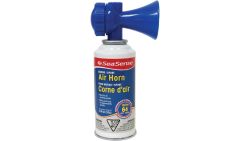
Best Boat Horn (Air Horn) for Coastal Safety

Introducing Maria, our meticulous planner and talented visual storyteller. She has a knack for discovering those hidden gems, chic boutique spots, and charming little cafes that add a touch of elegance to every journey. With her keen eye for photography and her passion for travel, Maria will transport you to the most enchanting corners of the world, inspiring you to explore new places, one picture-perfect destination at a time.
For coastal safety, choose a horn that delivers 120 dB and reaches a mile. The SeaSense air horn offers 118 dB, a one‑mile blast, and is Coast Guard‑certified. Saillong’s 1.4‑oz model gives 122 dB and a 1½‑mile range, while Nicehill’s 2‑Pack provides 122 dB with a cartridge. All are battery‑free and lightweight, ideal on vessels. Want to see which model suits your boat best? Checking out the next section reveals more for ideal performance to help you stay compliant.
Key Takeaways
- Choose a horn with ≥118 dB for effective distress signal; e.g., SeaSense, Nicehill, Saillow produce 122 dB.
- Opt for range ≥1 mile, e.g., SeaSense (1 mile) and Saillow Boat 1.4 oz (1½ mile), to reach shore or rescue vessels.
- Battery‑free models like Nicehill 2‑Pack and SeaSense avoid battery maintenance and provide instant activation via push‑button.
- Compact, lightweight options (≈1.4 oz‑4 oz) reduce deck clutter and maintain vessel stability.
- Certify Coast Guard or EPA compliance and provide mounting hooks or installation ease for secure placement.
SeaSense Air Horn 118 dB 1 Mile

Meet the SeaSense Air Horn—your go‑to safety companion for any small watercraft. You’ll love its 118 dB blast that reaches a mile, alerting nearby vessels instantly. Built from rugged, impact‑resistant material, the horn fits any kayak or tiny boat, weighing just 4 oz. Its safety‑can design includes easy‑release points and a removable top, so you can mount it wherever you need. Operating with a simple push‑button, the strong diaphragm delivers a clear, consistent tone in all weather. Certified by the Coast Guard and EPA, this U.S.‑made horn has supported crews since 1984, proving reliability every trip. for your calm, safe sailing.
Best For: small‑boat and kayak operators who need instant, reliable audible warnings in all weather conditions.
Pros:
- Lightweight 4 oz. for easy carry and mounting.
- 118 dB blast audible up to 1 mile for maximum early warning.
- Durable, impact‑resistant construction certified by Coast Guard and EPA.
Cons:
- Only palm‑sized; not suitable for larger vessels.
- Requires manual push‑button activation—no remote control.
- Short battery life if used continuously; needs rechargeable or replacement batteries.
https://www.amazon.com/dp/B0019M3FKA
Saillong 1.4oz Marine Air Horn

If you’re a small‑boat skipper needing a quick, unmistakable alarm, the Saillong 1.4 oz Marine Air Horn delivers a blast very loud enough to reach half a mile with a single press, making it the prime choice for vessels under 65 ft. Its 1.4‑ounce weight and 8.23×8.19×0.67‑inch size keep it portable, so you can carry it wherever the tide takes you. The horn meets Coast Guard limits for boats ≤65 ft, built from certified safe materials, and it operates reliably up to 122 °F. Whether you’re signaling distress, deterring wildlife, or marking a campsite, this horn offers unmistakable sound—and lightweight design is lifesaver.
Best For: skippers of small boats, outdoor enthusiasts, and wildlife watchers who need a lightweight, instant‑activate warning horn.
Pros:
- Compact and lightweight (1.4 oz) for easy carry and storage.
- Loud blast audible up to half a mile with a single button press.
- Meets Coast Guard limits for vessels ≤65 ft and is constructed with certified safe materials.
Cons:
- Requires a power source; not suitable for operations that require battery‑less devices.
- Limited operational temperature safe up to only 122 °F; must be protected from extreme heat.
- Small size may result in a shorter blast volume compared to larger commercial horns.
https://www.amazon.com/dp/B0CD7FSKY2
Nicehill 2-Pack Air Horns, 122dB Marine Safety Horns

With a 122 dB blast that can be heard up to half a mile, these palm‑size, battery‑free horns make an ideal choice for boaters, hikers, and anyone who needs an instant, reliable warning. Each horn weighs just 7.4 oz and sits in your hand, yet packs enough punch to alert vessels or mates during a crisis. The one‑button trigger releases a 1.4 oz, pre‑filled cartridge, so you never need a power source. Pack of two lets you keep one in the cockpit and one in a backpack, storing it easily in a glove compartment, kit, or emergency bag. Red and compact, they’re 24/7. Its red finish draws attention, and the lightweight yet sturdy construction guarantees longevity after use. Ideal for emergency kits aboard boats or in the wilderness.
Best For: A quick‑warning solution for boaters, hikers, campers, and anyone in need of an instant, battery‑free alert system on the go.
Pros:
- 122 dB loud blast that can be heard up to half a mile away.
- Battery‑free, one‑button trigger with a pre‑filled 1.4 oz gas cartridge—no recharging or extra supplies required.
- Lightweight (7.4 oz) and compact (1.77 × 1.77 × 5.12 in.) for easy storage in glove compartments, backpack, or emergency kits.
Cons:
- The reach is limited to about half a mile; not suitable for long‑range alerts.
- Each horn uses a single‑use cartridge, necessitating purchase of spare cartridges for frequent use.
- No ability to edit or mute the sound; the horn will emit a full blast whenever activated.
https://www.amazon.com/dp/B0FRMYBZBG
Nicehill 2-Pack 122dB Blue Air Horns

The Nicehill 2‑Pack Blue Air Horn delivers a 122 dB blast audible up to half a mile, making it the ideal signal for any boating emergency or outdoor warning. You’ll appreciate its palm‑sized, 7.8‑oz design and the one‑button trigger that lets you launch sound instantly. Each horn pre‑filled with 1.4 oz of compressed air, factory‑sealed for long shelf life, so you’re never surprised by a dry bulb. Ideal for marine distress, boating setbacks, or even celebratory shoutouts, it packs a punch in a compact 1.77 × 1.77 × 5.12‑in housing. Packaged ready‑to‑use, you can stash both in a glove compartment or backpack for all weather.
Best For: anyone needing an instant, loud distress signal—boaters, marine crew, off‑road adventurers, or safety teams who want a compact, battery‑free alert.
Pros:
- 122 dB blast audible up to ½ mile for clear emergency signaling
- One‑button, battery‑free design ensures instant readiness
- Pre‑filled, factory‑sealed air gives long shelf life and reliable performance
Cons:
- Lacks a built‑in mounting system—requires accessories for fixed installation
- One‑time use per horn; air runs out after each blast
- Slightly heavier (7.8 oz) and bulkier than ultra‑compact personal alarms
https://www.amazon.com/dp/B0FRN3M5DX
Saillong 1.4oz Boat Air Horn, Loud & Small

Looking for a high‑volume horn that doesn’t weigh the same as a hydrogen bottle? With a compact 4.7‑by‑2.5‑by‑1.5‑inch body and just 1.4 ounces, it fits on your deck. Its bright red shell matches marine palette while staying compliant with limits for 65‑ft vessels. You can operate it up to 122°F without overheating. Just press its button, a booming sound reaches 1½ miles. Use it for distress signals, sporting alerts, camping, bear defense, or emergency all situations. Packaged in a 7.13‑by‑4.61‑by‑1.65‑inch box, it weighs 0.24 pounds. Standard warranty covers it, but store outside direct sunlight in a cool spot today now.
Best For: sailors, anglers, and outdoor adventurers needing a lightweight, ultra‑loud, and compliant distress horn for quick emergency alerts.
Pros:
- Compact and ultra‑light (1.4 oz) for easy deployment on any boat or backpack.
- Delivers a booming sound up to 1½ mi, perfect for maritime distress or wildlife deterrence.
- Meets safety standards for vessels up to 65 ft and operates safely up to 122 °F.
Cons:
- No rechargeable battery; requires constant alkaline batteries or external power source.
- Single‑color red shell offers limited visual customization for diverse settings.
- Lacks built‑in mounting hooks or accessories for hard‑surface attachment.
https://www.amazon.com/dp/B0CLYJJ7T7
Saillong 1.4oz Marine Boat Air Horn

Perfect for skippers and dockside crews looking for a quick, compliant warning sound, the Saillong 1.4 oz Marine Boat Air Horn delivers a blast audible up to half‑a‑mile with a simple button press. Its compact 7.05 × 4.13 × 1.65‑inch body fits tight decks, while the blue finish adds visibility. You’ll satisfy Coast Guard limits for vessels up to 65 ft, thanks to certified construction and a 3.84‑oz weight that stays light under load. Use it in emergencies—maritime or off‑boat, like sports, camping, or wildlife deterrence. Just keep it below 122 °F, out of direct sun and confined spaces to stay safe. Keep it ready and reliable.
Best For: small‑to‑medium boat operators, docking crews, and outdoor event planners seeking a quick‑to‑use, Coast Guard‑compliant warning horn.
Pros:
- Audible up to half‑mile for rapid attention grabs.
- Compact 7.05 × 4.13 × 1.65‑inch design fits tight decks.
- Lightweight 3.84‑oz unit is easy to carry and install.
Cons:
- Power output is limited for larger vessels exceeding 65 ft.
- Requires staying below 122 °F and removal from direct sunlight.
- Not suitable for confined or high‑humidity environments.
https://www.amazon.com/dp/B0CNXTKMYP
2-pack 1.4oz Mini Boat Air Horn

Need a reliable emergency alert while out on the water? This 2‑pack fingig MK00001‑H delivers high‑powered blasts thanks to compressed‑air tech. Its 1.4‑oz can lets you activate a sharp, wildlife‑deterring roar with one touch. Weighing only 6.6 oz, it fits easily in a backpack, harness, or hand. Its compact 4.29 × 3.7 × 2.83‑in dimensions keep it portable for races, camps, or wilderness errands. The mechanical bellows build durability, handling rough seas or hiking trails without failure. After delivery, you have a 30‑day return window and a basic warranty for peace of mind. Choose this horn for sharp alerts, hardcore reliability, and ease everywhere.
Best For: outdoor adventurers, boat operators, and anyone needing a quick, wildlife‑deterring emergency alert.
Pros:
- Ultra‑compact and lightweight (6.6 oz) for easy carry on boats, backpacks, or hands.
- High‑powered compressed‑air blast delivers a sharp, instant alert to deter wildlife or signal emergencies.
- Durable mechanical bellows and paint finish withstand harsh environmental conditions.
Cons:
- Limited to 1.4‑oz can size, not suitable for very large vessels or prolonged use.
- Single‑touch activation requires manual handling rather than automate features.
- Limited battery life as it relies on compressed air—not rechargeable or power‑bank compatible.
https://www.amazon.com/dp/B0CST9S2XY
3.5oz 122dB Marine Air Horn – Coast Guard Approved

This 122‑decibel Marine Air Horn packs a surprisingly powerful signal into a lightweight 3.5‑oz package, making it the ideal alert system for boat operators who need quick, reliable communication on the water.
With 122 dB output and a 0.8 km reach, it pierces fog and traffic alike. Weighing just 0.49 kg, the two‑unit pack fits in a blue case that’s 9.84 × 9.84 × 2.17 in, drawing power from a 3.5‑oz air reservoir that outlasts smaller models. Coast Guard approval confirms compliance for vessels up to 65 ft. You’ll use it for fog horns, emergency alerts, outdoor events—pocket‑ready, ready to wake nearby boats or coast guard units.
Best For: boat operators, emergency responders, and outdoor enthusiasts who need quick, reliable marine alerts.
Pros:
- 122 dB output reaches up to 0.8 km, cutting through fog and traffic.
- Lightweight 3.5 oz horn with a 3.5 oz air reservoir, highly portable and long‑lasting.
- Coast Guard approved for vessels up to 65 ft, ensuring compliance and safety.
Cons:
- Requires a separate air pressure source; users must carry a compressor or gas cylinder.
- The high volume can be disruptive in quiet areas or near residential zones.
- Designed primarily for marine and outdoor use, not suitable for indoor applications.
https://www.amazon.com/dp/B0DCJ9FP8R
Guard Dog Handheld Mini Air Horn 1-Mile Blast

If you run a small boat or jet‑ski and need an instant, high‑volume alert, the Guard Dog Handheld Mini Air Horn gives you a 120 dB blast you’ll hear up to a mile away. Press its single button to release a 120 dB blast that pierces fog, rain, or darkness, reaching vessels up to one mile away. It meets U.S. Coast Guard marine safety standards, making it ideal for emergency signaling on boats, jet‑skis, kayaks, or even in bear country. Compact, 3.52‑oz, blue plastic horn fits in pockets, with a 30‑day return policy. Guaranteed safe and reliable for any emergency and peace.
Best For: people who need a portable, high‑volume emergency alert for marine and outdoor use such as boaters, jet‑ski riders, hikers in wildlife areas, and event organizers.
Pros:
- Delivers a 120 dB blast audible up to a mile, ideal for sudden emergency signaling.
- Extremely lightweight (3.52 oz) and compact, fitting conveniently in pockets or bags.
- Meets U.S. Coast Guard marine safety standards, ensuring reliability in fog, rain, or dark conditions.
Cons:
- Short battery life may require frequent recharging for prolonged use.
- Single‑press operation offers limited control over burst duration or intensity.
- Magnified noise can be disruptive or irritating to nearby non‑targeted audience members.
https://www.amazon.com/dp/B0BPTFPPXN
Marine Safety Loud Handheld Air Horn 1.4oz

Because you need a burst of power that fits right in your pocket, the Marine Safety Loud Handheld Air Horn 1.4oz delivers a 0.5‑mile blast from a tiny 1.4‑oz compressed‑air can. You can lug it in a pocket, clip pack, or tote, keeping momentum low while still meeting U.S. Coast Guard limits for vessels 65 ft or shorter. Built in America by a small family‑owned company, Better Boat delivers reliability. The 30‑day guarantee backs every purchase, giving you confidence. Whether you’re kayaking, biking, or jogging near the water, this silicone‑sealed horn stays portable and emergency alerts for any maritime emergency within 0.5‑mile radius.
Best For: anyone who needs a compact, reliable emergency signaling device for small boats, kayaks, or waterfront activities.
Pros:
- Ultra‑portable 1.4 oz can fits in pockets or clip packs.
- Delivers a loud 0.5‑mile blast meeting U.S. Coast Guard limits.
- Made in the U.S. by a family‑owned company with a 30‑day guarantee.
Cons:
- Not suitable for vessels over 65 ft due to compliance limits.
- Requires carrying a separate compressed‑air can; not a reusable rechargeable unit.
- Audible range limited to 0.5 mile—may be insufficient for very large bodies of water.
https://www.amazon.com/dp/B07PNJJ6KV
Mini 1.4oz Air Horn for Safety & Events

Looking for a compact, high‑volume alarm that won’t weigh you down? WITOROR’s LAY‑001 is a 1.4 oz, blue, modern‑styled air horn that fits in any backpack or glove compartment. It blasts 105 dB of noise and covers up to half a mile when you need a clear signal. The push‑button design lets you activate it instantly, no batteries, batteries never fail. Its lightweight construction makes it perfect for hiking, sports events, or emergency kits. Before first use, inspect the seal for leaks and replace if needed—heat above 122 °F can damage it. Keep it dry and cool when stored, and enjoy adventures.
Best For: hikers, campers, and event staff who need a lightweight, battery‑free alarm to signal emergencies or give instructions in the outdoors.
Pros:
- Ultra‑light 1.4 oz weight for easy carry and rescue kits
- 105 dB blast with up to 0.5 mi range without batteries
- Durable leak‑proof construction and simple push‑button activation
Cons:
- Single‑press operation limits repeat use in continuous emergencies
- Small size can be hard to hold steady or aim accurately in windy conditions
- While loud, it may still fall short of industrial‑grade horns for very large crowds or extended range needs
https://www.amazon.com/dp/B0FFGQWXHG
SeaSense Jumbo Air Horn, 127 dB, 1 Mile

The SeaSense Jumbo Air Horn blasts an astonishing 127 dB that you can hear from a mile away, which makes it the definitive safety alert for bigger fishing boats, charter vessels, or any watercraft that needs a loud, unmistakable signal. It weighs a mere eight ounces, measuring 5.75 in by 3 in by 10 in, so you can mount it on any deck without burden. Safety‑release points guard the can, while the removable, push‑button top lets you sound it instantly from the cockpit. Its durable trumpet body resists impact and weather, ensuring consistent tone even in rough seas. Made in the U.S., EPA‑certified.
Best For: a marine captain, fishing boat operator, or sports official who needs an instant, mile‑range alert for crew safety and crowd control.
Pros:
- 127 dB loudness for consistent, mile‑range audibility.
- Ultra‑light 8 oz and compact size for easy mounting.
- Durable trumpet‑style body resists impact, weather, and rough seas.
Cons:
- Extremely loud volume may cause hearing fatigue in close quarters.
- Requires manual activation; no electronic or remote control options.
- Lacks built‑in battery or rechargeability, necessitating multiple can replacements.
https://www.amazon.com/dp/B078MJZV49
Coast Guard Approved Mini 120dB Air Horn Set

When you need a compact alert system that packs 120 dB of pure warning power, the Coast Guard‑approved mini horn delivers a shout audible up to a mile away. You’ll carry it in any pocket without sacrificing space—just 1.4 oz, 5.67 × 3.66 × 3.31 in packaging. Its ultra‑light, pocket‑size handle keeps the fire on‑hand, while a built‑in on/off switch stops accidental blasts. When crisis strikes, push the button and trigger a 0.25‑second burst; each horn boasts 60+ bursts, even in heat up to 122 °F (50 °C). The Coast Guard certification guarantees that this 13.1‑oz unit meets safety regulations for vessels up to 65 ft. Use it for wildlife and sports.
Best For: hikers, campers, and outdoor adventurers who need a compact, Coast‑Guard‑approved emergency horn for wildlife or boat safety.
Pros:
- Ultra‑light and pocket‑size, 120 dB blast audible up to a mile
- Coast Guard certified, with 60+ reliable bursts and a built‑in on/off switch
- Push‑button activation, works in extreme heat up to 122 °F
Cons:
- Extremely loud, may violate neighborhood noise ordinances
- Limited to small vessels (up to 65 ft) and thus not suitable for larger ships
- No built‑in battery indicator or advanced features
https://www.amazon.com/dp/B0FDFHPHV1
8.3oz Air Horn Marine Coast Guard Approved

If you need a boat horn that can cut through the din of the sea and reach half a mile, this 8.3‑oz unit is the best choice for vessels up to 65 ft.
It blasts 120 dB, pushing sound ½ mile, while it’s larger 8.3 oz canister keeps you running longer than smaller 1.4 oz models.
Coast Guard approved for up to 65 ft boats, the horn fits in any bag, making it a handy emergency alert on water or land.
You just tighten the head, press the button, and the roaring sound stops danger—whether rescuing a swimmer or scaring off bears.
Stay safe always.
Best For: boat owners, marine rescue teams, and outdoor enthusiasts who need a powerful, portable emergency horn for vessels up to 65 ft, wildlife deterrence, and large outdoor gatherings.
Pros:
- 120 dB output with sound radiating up to ½ mile—easy to notice in noisy environments.
- Larger 8.3 oz canister gives longer runtime, reducing the need for frequent replacements.
- Coast Guard approved and lightweight enough to fit in bags or boat storage for quick deployment.
Cons:
- Heavier than smaller 1.4 oz models, adding a few extra ounces to the load.
- Designed for vessels up to 65 ft; may be overkill for very small boats or kayaks.
- Requires a fresh canister for each use, which can be cumbersome during prolonged emergencies.
https://www.amazon.com/dp/B0F62YLXK6
Large 3.5oz 122dB Marine Air Horn for Safety

Perfect for small‑to‑mid‑size vessels that need a dependable, ultra‑loud warning, this 3.5‑oz, 122 dB horn lets you count on an unmistakable signal in any weather. At 120 dB peak output, it reaches about half a mile, ensuring your yacht or fishing boat stays audible during fog, storms, or emergencies. Its 3.5‑oz mass, while a bit heavier than 1.4‑oz rivals, means fewer parts wearing out, so you can rely on it longer with minimal maintenance. Because it meets U.S. Coast Guard standards and is certified for vessels up to 65 ft, you’re covered for both recreational and commercial use. Enjoy reliable loudness everywhere.
Best For: small‑to‑mid‑size vessel owners who need a dependable, ultra‑loud, Coast Guard‑certified fog or emergency horn that’s compact enough to hand‑carry.
Pros:
- 122 dB output delivers a clear warning signal up to ~½ mile, even in fog or storms.
- 3.5‑oz weight and rugged construction reduce part wear, extending the horn’s service life.
- Pocket‑size, handheld design combined with Coast Guard certification up to 65 ft makes it versatile for both recreational and commercial use.
Cons:
- Slightly heavier than 1.4‑oz models, which may feel bulky for very lightweight users.
- Provides only a single tone; lacks programmable or multi‑mode options for varied alerts.
- Rechargeable power source not specified, potentially requiring frequent battery changes during extended use.
https://www.amazon.com/dp/B0DCHGTL6J
Factors to Consider When Choosing a Boat Horn (Air Horn)
First, you should compare the horn’s sound pressure level and how far its blast reaches to verify it’s loud enough for the size of your waterway. Then, think about weight and portability so you can move it easily while also checking that it meets local regulations and is durable enough for the harsh marine climate. Finally, confirm its weatherproofing and material build so it can withstand salt, water, and rough handling over time.
Sound Pressure Level
Because the environment your boat operates in can drown out even the loudest warning, you need a horn that delivers enough acoustic energy to pierce wind, fog, and traffic noise. SPL ranges from 120 dB to 127 dB on a dB(A) scale, which is plenty to reach one mile under ideal conditions. An 8‑oz canister pushes you closer to 127 dB, while a 3.5‑oz unit stays around 120 dB. The higher the level, the more you cut through noise, but it also means more potential hearing risk and stricter compliance with Coast Guard and EPA limits. Consider the balance: a moderate SPL offers coverage while keeping occupational exposure below dangerous thresholds. Ultimately, pick the horn that matches your vessel’s range and your safety priorities without exceeding regulatory caps.
Audible Range
Once you’ve assessed the horn’s SPL, the next step is figuring out how far that sound will travel in the real world.
You’ll notice a 120‑dB horn reaches about a mile on calm, open water. Temperature inversions and a tailwind can extend the range by several hundred yards, while a headwind and rough seas shorten it. Obstructions—boats, docks, debris—often cut the perceived distance roughly in half. For instance, a 1.4‑oz horn at 118 dB can still be heard a mile under ideal conditions, but its real‑world range collapses to about half a mile if the air supply dips or the environment is cluttered. Measuring peak SPL against the 85–120 dB hearing threshold lets you estimate how far the horn’s warning will reach in all weather conditions.
Weight And Portability
Weight is a decisive factor when choosing an air horn for your boat. A lightweight model — around 1–2 oz — fits snugly in a glove pouch or backpack, saving room and effort. However, its smaller air reservoir cuts blast duration, so you’ll need to refill sooner. Heavier horns, at roughly 3–8 oz, hold larger canisters, yielding more bursts per refill but add considerable burden during handling and storage. Compact units (≤ 2 in on each side) slip into a vehicle glove compartment, while > 4 in ones demand a mounting bracket or dedicated shelf. When you’re packing multiple units, remember the cumulative weight; two 1.4‑oz horns total 2.8 oz, which can affect balance on longer trips. Choose a model that balances size, weight, and durability to suit your sailing schedule.
Compliance & Regulations
After you’ve weighed the option for weight and portability, you must confirm regulatory compliance. The U.S. Coast Guard limits air‑horn noise to 120 dB for vessels under 65 ft, so choose a horn that peaks at that threshold and starts instantly. Look for canisters with built‑in safety‑release points; they stop ruptures during transport or installation. The Environmental Protection Agency requires propellants to meet emissions and toxicity standards, so check the EPA listing on the manual or shipping docs. Aviation‑grade units must also withstand impact and weather, carry a documented safety seal on the gas cylinder, and carry official certification labels like “USCG Approved” or “EPA Listed.” Verify these labels before you buy or deploy the horn. So guarantees use each time you’re out on the water.
Durability And Weatherproofing
Because your boat will face waves, gales, and spray, you need a horn that can endure the elements right from the first day on the water. Look for impact‑resistant trumpet construction so accidental drops or collisions won’t crack the housing. Weather‑proof seals and corrosion‑resistant coatings stop water from seeping in, keeping the mechanism dry during rain and salty spray. Sturdy safety‑release points vent excess pressure, protecting the horn from over‑pressurization and heat damage. UV‑resistant finishes cling to the metal, preventing fading from relentless sun. Marine‑grade steel or treated aluminum alloys resist galvanic corrosion, extending your horn’s service life even in humid or salt‑laden environments. Remember, a well‑sealed horn also cuts noise distortion, letting you hear clear alerts even during heavy winds on the wave.
Cost Vs Features
When choosing a horn, you’ll weigh cost against features. A 1.4 oz compressed‑air unit saves about 25–30 % yet still delivers a 120–122 dB blast audible roughly 0.5 mile. If you need a farther reach, the 3.5 oz model extends to about 1 mile, but its price climbs 30–40 %, plus extra weight. For maximum urgency, a 127 dB horn costs about 20 % more; its 8 oz cartridge cuts repeated bursts, boosting reliability. Battery‑free, single‑press options cut yearly $15–$20 battery bills, adding only a modest initial fee. Safety‑release points and weather‑proof housings stay within similar price bands; skipping them saves a few dollars but may hurt durability and rule compliance. Longer warranties or built‑in duplex alert systems may further raise cost, but they can reduce maintenance calls and enhance safety in commercial fleets.
Frequently Asked Questions
Can a Boat Horn Be Used on a Small Rowboat?
Yes, you can mount a boat horn on a small rowboat. It’s lightweight and easy to install, and its powerful signal alerts nearby vessels. You’ll need a reliable power source—battery or charging system—to keep it running. Check local regulations to guarantee compliance. By fitting one, you improve safety for yourself and others, letting you communicate faster in emergencies, so you stay alert, and partners can react promptly when needed.
Do Boat Horns Require a Battery Backup for Emergencies?
Although a horn’s primary purpose is to announce your presence, many manufacturers offer a subtle battery backup to keep you confident during unexpected outages. This secondary power source guarantees continuous sound when mains fail, yet most models function perfectly on the usual power supply alone. If you value redundancy, check the specifications, but a battery isn’t mandatory for everyday operation—you’ll secure safe journeys through all seasons on every voyage today.
What Legal Restrictions Exist for Using Air Horns on Public Waterways?
In most regions, public waterways impose strict limits on air horn usage. You’re typically allowed only during emergencies or formal navigation broadcasts, and must keep sound levels below a specified decibel threshold. Additionally, many states require your horn to be FCC‑licensed and have a lost‑boat alert tag. You can’t play it on a non‑commercial vessel without a valid permit, and some waterways ban it entirely between sunset and sunrise daily.
How Does Weather Affect the Range of a Marine Air Horn?
Wind pushes sound waves away, so if it’s blowing across your water surface, you’ll hear it farther out in that direction, but less in the opposite. Humidity and temperature both play roles: warm, moist air bends sound upward, reducing its range, while cold, dry conditions keep sound directed along the surface, giving a longer buzz line. Rain and snow you might notice add noise, smashing reach down and more today.
Are There Environmental Concerns With Continuous Horn Usage?
Imagine a lighthouse keeper shouting at night, rattling the sleepers below; you do the same with a constant horn—marine life quiets, signals blur, and sensitive creatures crowd away. You’re contributing to oceanic noise that can upset breeding, navigation, and the delicate acoustic tapestry of the sea.
Your constant blare masks dolphin songs, stresses fish, and adds to pollution. Think of the sea as a library—your horn floods every quiet page.
Conclusion
Picture the horizon cracking under your trusty deck, the sea whispering secrets as the first note of a storm approaches. The horn blares, a piercing beacon slicing silence, rallying every crew member to brace for impact. You feel the vibration ripple through your bones, a reminder that preparedness is your lifeline. In that split second, you’ll realize the difference between calm navigation and a narrow escape hinges on that single, booming sound that saves lives.
Battery Free Horn, Coastal Safety, Marine Horn