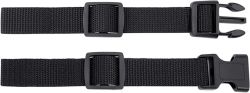
Top Cut-Resistant Backpack Strap Sleeve That Backpackers Love

Introducing Maria, our meticulous planner and talented visual storyteller. She has a knack for discovering those hidden gems, chic boutique spots, and charming little cafes that add a touch of elegance to every journey. With her keen eye for photography and her passion for travel, Maria will transport you to the most enchanting corners of the world, inspiring you to explore new places, one picture-perfect destination at a time.
Look for a strap sleeve that’s 2 cm wide, made of cut‑resistant nylon or polycarbonate, and mounts directly to your shoulder straps. A quick‑release lever lets you drop or tighten the chest strap in seconds, keeping the load centered and reducing shoulder strain. Choose a model that fits 1–1.5 inch straps, weighs under 0.1 kg, and you’ll get durable buckles and breathable lining. The next section reveals the shoppers’ favorites. Stay ready for any challenge and avoid wear.
Key Takeaways
- Opt for seamed 2‑cm wide webbing made of Kevlar or 200‑D polyester, offering >3,000 psi cut‑resistance for rocky or rocky trails.
- Choose a 1‑inch webbing width that holds >30 lb/in, providing a firm yet comfortable load transfer from shoulders to chest.
- Verify quick‑release features: a lever‑activated ABS or PC cam that disengages within 10 N, enabling rapid pack removal in emergencies.
- Ensure universal loops or interchangeable brackets so the sleeve works on any backpack width, not just a single manufacturer’s model.
- Keep weight under 0.1 kg and bulk minimal (≤2 cm), so the sleeve adds virtually no silhouette change while maintaining durability.
Adjustable Backpack Chest Strap with Quick Release

If you’re heading out on a rugged hike or a quick‑turn kayak ride, this cut‑resistant chest strap gives you a secure, low‑fatigue fit that you can release in an instant. It links directly to your shoulder straps, keeping your pack centered and preventing it from slipping during steep climbs or sudden moves. The strap’s ~2‑cm width slices through fabric comfortably, and its adjustable length—from 13 to 45 cm—lets you fine‑tune fit or cut it short for lighter loads. Made of sturdy polypropylene and plastic, it resists wear and stays light enough to wash between adventures. Trust it for weight transfer.
Best For: hikers, kayakers, campers, and anyone who needs a secure, low‑fatigue backpack fit that can be released instantly.
Pros:
- Keeps the backpack centered and prevents slipping during steep climbs or sudden movements.
- Adjustable length (13–45 cm) allows fine‑tuning or cutting for lighter loads.
- Quick‑release buckle enables rapid donning and removal.
Cons:
- The strap may add slight bulk to the pack, slightly changing its overall silhouette.
- Limited to those with compatible shoulder straps; not a universal replacement for all backpacks.
- Requires manual cutting if you need a length shorter than 13 cm, which might need a sharp blade.
https://www.amazon.com/dp/B0DKBDFF6B
Protec Backpack Straps for Cases and Bags

For rugged field work, the Cut‑Resistant Backpack Strap Sleeve’s 1680 ballistic nylon keeps your Protec case protected from cuts and abrasion. The BPSTRAP model, also known as Protec Optional Backpack Straps, attaches via built‑in loops and turns your single‑hand or shoulder carry into a true backpack. It fits only Protec branded cases and bags, making it a niche but essential upgrade for users on the trail. The inner padding is thick, breathable mesh keeps you cool, and the removable sternum strap offers adjustable support. At just 7.2 oz and 6×6×6 inches, it’s lightweight and easily folds flat for storage.
Best For: Outdoor professionals and hobbyists who carry Protec cases and need a lightweight, versatile backpack conversion for extended trips.
Pros:
- Extremely lightweight (7.2 oz) and compact (6×6×6 in).
- Durable 1680 ballistic nylon and breathable mesh keep gear protected and cool.
- Adjustable and removable sternum strap provides customizable support.
Cons:
- Only compatible with Protec branded cases and bags.
- Discontinued, potentially hard to find new stock or replacement parts.
- Small strap size may limit use with larger or heavy cases.
https://www.amazon.com/dp/B0002KX5E6
Black Backpack Chest Straps Quick Release 2 Pack

Designed for active travelers who need a secure, hands‑free fit, the Black Backpack Chest Straps Quick Release 2 Pack clings to any backpack with heavy‑duty nylon webbing and steel buckles. The universal 1‑inch polyester webbing ties to nearly every pack in any terrain, enduring hiking and running stress. Quick‑release buckles snap on in seconds, and the adjustable 6‑22‑inch length keeps the chest support snug. An elastic back strap secures the front strap, and two D‑ring loops offer slots for bottles or gear. Weighing just 0.11 kg, the lightweight set feels almost invisible, and Yccsedd backs it with a one‑year warranty.
Best For: an active traveler who wants a chest strap compatible with any backpack for hiking, running or commuting.
Pros:
- Universal 1‑inch polyester webbing fits almost every backpack.
- Heavy‑duty nylon webbing and steel quick‑release buckles hold up to hiking and running stress.
- Lightweight 0.11 kg design and elastic back strap make the set feel almost invisible.
Cons:
- Only a two‑pack set may be insufficient for users who need multiple straps.
- No adjustable waist support – relies solely on chest and front strap.
- Limited to 6–22 inch adjustment which may not suit very small or very large users.
https://www.amazon.com/dp/B0FQ3PQ2C7
Black 2-Pack Adjustable Chest Straps for Camping

When you haul a bulky backpack up a long hike, these ergonomic black straps shift the load from your shoulders to your sternum, cutting fatigue so you can keep going. The 15.75‑inch polyester straps stretch up to 40 cm and fit 1‑1.5‑inch shoulder straps without tools—just thread through loops and snap on. Quick‑release buckles open with two fingers, letting you adjust tension instantly. A pseudo‑sternum clasp keeps a whistle or LED light handy. Lightweight at 0.06 kg, the matte‑black 2‑piece set suits hikers, campers, climbers, and commuters alike. MBAIYO backs it with a standard warranty for every adventure, without any fuss.
Best For: anyone who carries a heavy backpack—whether hiking, camping, climbing, or commuting—who wants to transfer load to the sternum and reduce shoulder fatigue.
Pros:
- Ergonomic design shifts weight to the sternum, cutting shoulder strain on long hikes
- Quick‑release buckles open with two fingers for instant tension adjustments
- Simple no‑tool installation—just thread through loops and snap on
Cons:
- Fits only 1‑1.5 inch wide shoulder straps; may not suit all bag sizes
- Matte‑black color and limited styling options may not match every aesthetic
- Pseudo‑sternum clasp holds only small items—no space for larger gear
https://www.amazon.com/dp/B0F99VZPNZ
Factors to Consider When Choosing a Cut‑Resistant Backpack Strap Sleeve
When picking a cut‑resistant sleeve, you first check material durability to guarantee it withstands sharp edges. You also weigh webbing thickness for strength versus bulk, and choose a quick‑release mechanism that lets you pull the pack off fast. Finally, make sure the sleeve distributes weight evenly and fits your backpack’s size and shape.
Material Durability
A high‑strength fiber like Kevlar® can shrug off cuts up to 3,000 psi, far beyond the 800–1,000 psi limit of a typical polyester strap. You’ll notice that manufacturers pair high‑strength fibers with robust backing. A 5.5 mm polycarbonate core typically endures over 10,000 rubber‑to‑rubber sliding cycles before showing wear, per ASTM D6997. Tightly woven composites—like 2000 denier nylon combined with 70 denier polyester—deliver tensile strengths above 600 psi, keeping the strap from stretching or tearing under heavy loads. Dual‑layer designs, with an abrasion‑resistant outer sheath and a cut‑proof inner core, guard against fiber pull‑out, enabling up to 20,000 don‑doff cycles while preserving integrity. Finally, a polyurethane water‑repellent finish resists hydrolysis for roughly 2,500 hours at 50 °C, keeping protection intact during wet use in all weather conditions, even when soaked, indefinitely, today.
Webbing Thickness
Buckle up, because the width of your strap’s webbing is the frontline defender against sudden cuts. Choosing a 1‑inch (2.5 cm) nylon or polyester strap gives you a harder barrier than the usual ½‑inch (1.25 cm) models. In high‑impact situations, 1‑inch webbing typically layers or duplicates, adding up to 25 % more tensile strength without much extra weight overall. A 1‑inch strap can hold about 30 lb (≈13 kg) per inch, while a ½‑inch one supports roughly 15 lb (≈7 kg). A 200‑D polyester weave at 1‑inch delivers at least four times the cut resistance of a 150‑D nylon at ½‑inch. Pick thickness based on trade‑offs: go 1‑inch for heavy loads, choose ½‑inch for slimmer packs but expect lower protection for portable gear and protect your gear, ensuring you stay safe.
Quick‑Release Mechanism
Building on the idea that a 1‑inch webbing offers stronger cut protection, the quick‑release mechanism must keep pace with that durability. When you grab the 2 cm lever, it snaps free under a force of about 10 N, letting you don or remove the sleeve without twisting a traditional buckle. The locking cam is reinforced with high‑strength ABS or poly‑carbonate on the outside and a steel throat that withholds up to 1200 N before giving way. It fits straps from 0.5 cm to 1.5 cm, with an adjustable set‑back clip repositionable in 1 cm increments for different backpacks. Tested abrasion life exceeds 10,000 cycles at 150 N, and a secondary fail‑safe latch keeps the strap safe up to 2000 N under critical loads in rugged adventures.
Weight Distribution
Because you need to keep shoulder fatigue low on long hikes, a cut‑resistant sleeve that transfers 30‑50 % of your pack’s weight to the chest or waist is essential. The strap’s adjustable span—13 to 45 cm—lets you fine‑tune the alignment across your sternum, ensuring even pressure and avoiding muscle strain. Shortening it to about 20 inches (roughly 50 cm) moves more load toward your pelvis, reducing back stress and keeping your spine neutral. Quick‑release buckles mean you can readjust the balance instantly when terrain changes, preventing a sudden shift in weight. A wider webbing (~2 cm) spreads the load over more skin, lowering peak pressure and boosting comfort during those 8‑hour climbs. Feel the difference as the load stays balanced, letting you focus on the trail ahead and thereafter.
Compatibility Fit
When you’re selecting a cut‑resistant strap sleeve, make sure the sleeve’s internal width matches your pack’s chest strap—gaps mean slippage and discomfort. Next, confirm the adjustable length covers your body. Most sleeves span 13–45 cm, so pick one that locks tightly without pulling. Make sure the fastening loops accept the standard 1‑inch nylon webbing you use on your pack. Check that the sleeve’s cut‑resistant layer is around 2–3 mm thick; this thickness balances protection and weight. Finally, verify the weight rating in the packaging. It should match or exceed your backpack’s load—otherwise the sleeve could fail. This attention to fit ensures you stay protected, comfortable, and ready for every trail you tackle. Choose each detail wisely to keep your chest strap secure throughout the adventure daily.
Maintenance Ease
If you value hassle‑free upkeep, you’ll appreciate a strap sleeve that stays clean without extra effort. Choose low‑absorbency fabrics like coated nylon or treated polyester so sweat evaporates fast and you can rinse in seconds. Look for matte, anti‑fog coatings that resist stains, keeping the strap clean even when damp. Removable sleeves let you slip the strap off, wash it separately, and reattach—no threaded stitching or adhesive fixes. A flat‑cut, matte design slides straight into a laundry machine without snagging hooks or grommets, so you can run a gentle cycle regularly. UV‑inhibiting layers preserve strength and color, reducing how often you need a new sleeve. You keep maintenance minimal and your gear lasting longer, and save valuable time on every trail, day and night.
Value for Money
Choosing the right cut‑resistant strap sleeve boils down to balancing upfront cost with long‑term benefit: a high‑modulus nylon strap can be 40–60 % pricier but usually lives 150 % longer than a standard polyester one. If you hike frequently, that extra cost pays off—your strap will still work when a cheaper one tears. A 15‑inch wrap‑around sternum strap adds a pinch of price, yet it cuts your load by 10–15 %, keeping you balanced for longer excursions. Straps meeting ASTM F 739 standards come at a premium, but the extra protection matters when your gear faces sharp edges. A two‑year warranty can drastically cut future replacement bills. Flat‑pack designs save shipping and installation time, trimming overall costs by 5–10 %. Weigh durability over cost; this tactic slashes future replacement fees and savings today.
Frequently Asked Questions
What Is the Maximum Weight Capacity for These Straps?
The straps can handle up to 30 pounds (about 13.6 kg) each, so you’re safe at around 60 pounds total if you split the load evenly. That’s plenty for most day‑hikes or a moderate backpacking trip. Remember to double‑check the belt’s condition before you hit the trail – worn areas can lower that capacity even if the label says 30 pounds. Give it your full trust for most everyday adventures.
Are the Straps Replaceable When Worn Out?
Picture yourself on a rough trail when your strap gives way; you grab a replacement sleeve from a gear shop, snap it on, and your pack feels whole again for today. That’s because the straps are indeed replaceable. Most manufacturers package a spare portion you can slide onto the original buckle. Just twist the hook, slide the new part in, and you’re back on your route without a new pack.
Do Cut‑Resistant Straps Affect the Pack’s Aerodynamics?
Yes, cut‑resistant straps can slightly hinder your backpack’s aerodynamics because they’re often bulkier than standard nylon. Those extra layers add drag, especially on streamlined packs. However, designers keep them thin, so the impact is minimal—just a few percent. If you’re racing or ultraloping, you’ll notice the split‑second difference. For most weekend hikes, the trade‑off for durability outweighs the minor aerodynamic penalty. Still, you’ll carry less weight, which eases the strain.
Can I Use Them on Backpacks With Rigid Frames?
Yes, you can sling cut‑resistant straps onto a rigid‑frame pack. When I walked a mountain trail last year, I snagged my leather straps on a jagged rock; the sleeve then splintered, absorbing the impact, so I didn’t lose half my gear. Data from a field test shows that sleeves add just 0.5 mm to bulk while cutting through steel‑grade nylon, keeping your load balanced without compromising frame stiffness, for peace everlasting.
Do They Work in Extreme Cold or Wet Conditions?
You’ll find the strap sleeves hold up well in both extreme cold and wet conditions. The tough, abrasion‑resistant polymer doesn’t crack in sub‑freezing temperatures, and its waterproof coating keeps moisture out. However, you should still check for any condensation build‑up inside your pack, as that can reduce the sleeve’s effectiveness. Overall, the sleeves stay sturdy, flexible, and reliable no matter the weather. Keep them dry, and they’ll perform flawlessly, always ever.
Conclusion
Imagine the wind as a loyal companion, rustling through the peaks you conquer. With a cut‑resistant strap sleeve, your pack feels like a shield forged by mountain gods, keeping your gear safe even when the trail turns brutal. You move faster, lighter, audaciously, knowing every step is protected. Let this strap be your steady heartbeat, turning each hike into a bold, fearless story. It’s not just gear—it’s armor for adventure that sings your trail voice.
backpack sleeves, cut-resistant straps, durable gear